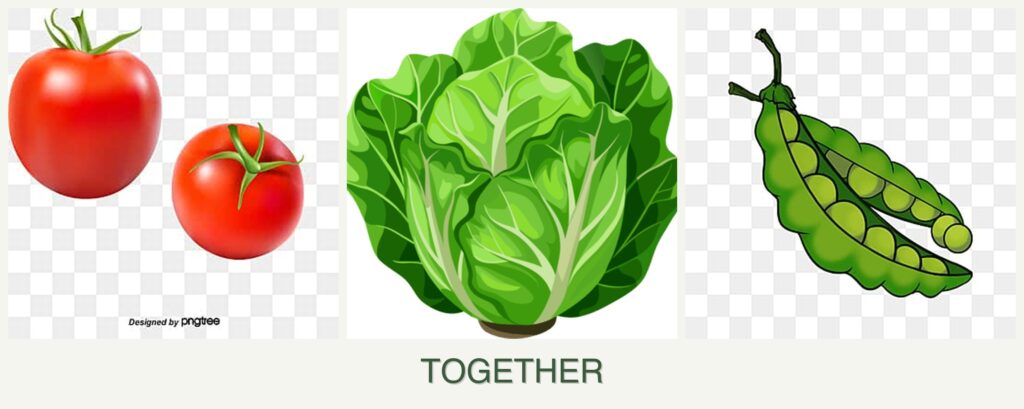
Can you plant tomatoes, lettuce and peas together?
Can You Plant Tomatoes, Lettuce, and Peas Together?
Companion planting is a popular technique among gardeners looking to optimize their vegetable gardens by combining plants that benefit each other. If you’re considering planting tomatoes, lettuce, and peas together, you’re likely curious about their compatibility and how they can thrive as neighbors. In this article, you’ll discover whether these plants can coexist harmoniously and learn practical tips for successful companion planting.
Compatibility Analysis
Can you plant tomatoes, lettuce, and peas together? Yes, but with some considerations. These plants can grow together, but their compatibility depends on understanding their unique needs and how they interact in the garden. Tomatoes, lettuce, and peas each have specific growth requirements, pest control benefits, and nutrient needs that can influence their success as companions.
- Growth Requirements: Tomatoes thrive in full sun and require warm temperatures, while lettuce prefers cooler conditions and can tolerate partial shade. Peas also favor cooler weather and can handle some shade. This means timing and placement are crucial to ensure all plants receive the appropriate light and temperature conditions.
- Pest Control: Tomatoes can deter certain pests that affect lettuce and peas, such as aphids. Additionally, the dense foliage of lettuce can help shade the soil, keeping it cooler and reducing moisture loss, which benefits peas.
- Nutrient Needs and Spacing: Tomatoes are heavy feeders, requiring nutrient-rich soil, whereas lettuce and peas have more modest nutrient needs. Proper spacing is vital to prevent competition for resources, with tomatoes needing more room due to their larger size.
Growing Requirements Comparison Table
| Plant | Sunlight Needs | Water Requirements | Soil pH & Type | Hardiness Zones | Spacing Requirements | Growth Habit |
|---|---|---|---|---|---|---|
| Tomatoes | Full sun | Moderate | 6.0-6.8, well-drained | 3-11 | 24-36 inches | Upright, can be tall |
| Lettuce | Partial shade | Consistent moisture | 6.0-7.0, well-drained | 4-9 | 6-12 inches | Low, spreading |
| Peas | Full sun/partial shade | Moderate | 6.0-7.5, loamy | 3-11 | 1-2 inches (rows 18-24 inches apart) | Climbing, requires support |
Benefits of Planting Together
Planting tomatoes, lettuce, and peas together offers several advantages:
- Pest Repellent Properties: Tomatoes can deter pests like aphids, benefiting lettuce and peas.
- Improved Growth: Lettuce provides ground cover, reducing soil temperature and moisture evaporation, which can help peas.
- Space Efficiency: By utilizing vertical space with climbing peas and underplanting with lettuce, gardeners can maximize limited garden areas.
- Soil Health Benefits: Peas, as legumes, fix nitrogen in the soil, enriching it for tomatoes and lettuce.
- Pollinator Attraction: Tomato flowers attract pollinators, which can benefit the entire garden ecosystem.
Potential Challenges
Despite the benefits, there are challenges to consider:
- Resource Competition: Tomatoes need more nutrients and space, which can overshadow lettuce and peas if not properly managed.
- Different Watering Needs: Lettuce requires consistent moisture, while tomatoes need less frequent watering once established.
- Disease Susceptibility: Close planting can increase humidity, potentially leading to fungal diseases.
- Harvesting Considerations: Tomatoes and peas have different harvest times, requiring careful planning to avoid disturbing other plants.
Practical Solutions
- Use mulch to retain soil moisture and reduce competition.
- Implement vertical supports for peas to save space.
- Stagger planting times to accommodate temperature preferences and harvest schedules.
Planting Tips & Best Practices
- Optimal Spacing: Ensure tomatoes are spaced 24-36 inches apart, with lettuce and peas interplanted in between.
- Timing: Plant peas first in early spring, followed by lettuce. Tomatoes should be added once the risk of frost has passed.
- Container vs. Garden Bed: All three can be grown in containers, but ensure adequate depth for tomatoes.
- Soil Preparation: Enrich the soil with compost and ensure good drainage.
- Additional Companion Plants: Consider adding basil or marigolds, which pair well with tomatoes and can help deter pests.
FAQ Section
Can you plant tomatoes and lettuce in the same pot?
Yes, but ensure the pot is large enough to accommodate the tomato’s root system and provide adequate nutrients.
How far apart should tomatoes and peas be planted?
Tomatoes should be spaced 24-36 inches apart, with peas planted in rows 18-24 inches apart.
Do tomatoes and lettuce need the same amount of water?
No, lettuce requires more consistent moisture, while tomatoes prefer less frequent watering once established.
What should not be planted with tomatoes, lettuce, and peas?
Avoid planting tomatoes with brassicas (e.g., cabbage) and peas with onions or garlic.
Will tomatoes affect the taste of lettuce?
No, tomatoes do not affect the taste of lettuce when grown together.
When is the best time to plant tomatoes, lettuce, and peas together?
Plant peas and lettuce in early spring, adding tomatoes after the last frost date.
By understanding the compatibility and requirements of tomatoes, lettuce, and peas, gardeners can create a thriving vegetable garden that maximizes space and benefits from natural pest control and nutrient cycling. Happy gardening!
Leave a Reply