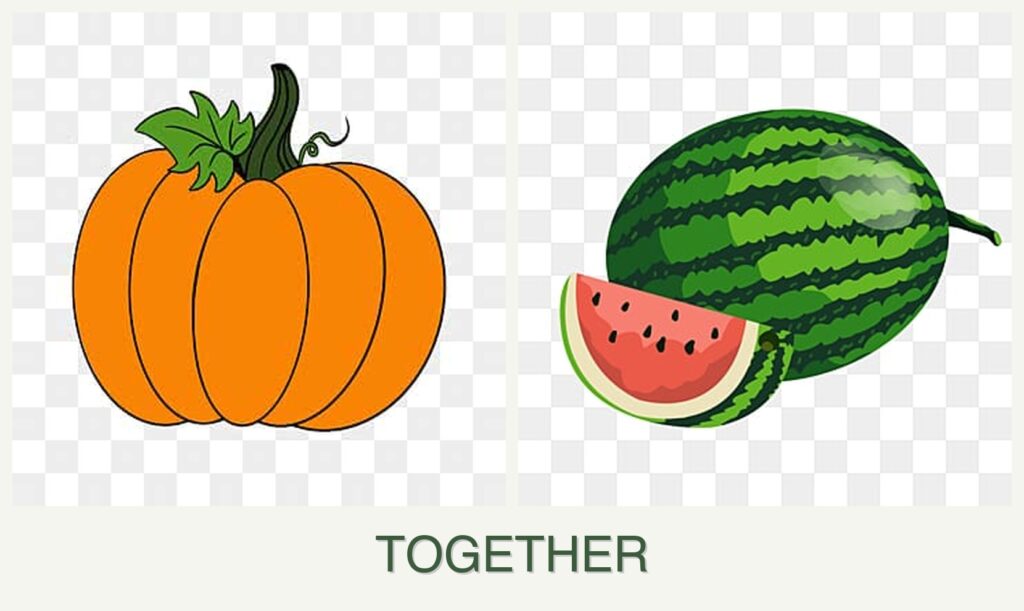
Can you plant pumpkin and melons together?
Can You Plant Pumpkin and Melons Together?
Companion planting is a popular gardening technique that involves growing different plants in proximity to enhance growth, deter pests, and maximize space. Gardeners often wonder if planting pumpkins and melons together is a good idea. In this article, you’ll find out whether these two plants can be companions, how to make the most of your vegetable garden, and tips for successful planting.
Compatibility Analysis
Can you plant pumpkins and melons together? The answer is both yes and no. While pumpkins and melons share similar growing conditions, they can compete for resources if not managed properly. Both plants thrive in warm weather, require full sun, and need well-drained soil, making them compatible in terms of basic growth requirements. However, they are heavy feeders and can compete for nutrients, potentially leading to reduced yields.
Key Factors
- Growth Requirements: Both plants need ample sunlight and warm temperatures. They are typically grown in similar hardiness zones.
- Pest Control: While they do not repel each other’s pests, interplanting with herbs like basil or flowers like marigolds can help deter common pests.
- Nutrient Needs: Both are heavy feeders and require nutrient-rich soil. Companion planting with legumes can help replenish nitrogen in the soil.
- Spacing: Adequate spacing is crucial to prevent competition for sunlight and nutrients.
Growing Requirements Comparison Table
| Requirement | Pumpkins | Melons |
|---|---|---|
| Sunlight Needs | Full Sun | Full Sun |
| Water Requirements | Regular, deep watering | Moderate, consistent watering |
| Soil pH and Type | 6.0-6.8, well-drained | 6.0-6.5, sandy loam |
| Hardiness Zones | 3-9 | 4-10 |
| Spacing Requirements | 3-5 feet apart | 2-3 feet apart |
| Growth Habit | Vining, spreading | Vining, spreading |
Benefits of Planting Together
- Space Efficiency: By training vines to grow vertically on trellises, you can save space and improve air circulation.
- Pollinator Attraction: Both plants produce flowers that attract pollinators, enhancing fruit set.
- Soil Health: Interplanting with nitrogen-fixing plants like beans can improve soil fertility.
Potential Challenges
- Resource Competition: Both plants require significant nutrients, which can lead to competition.
- Watering Needs: While both need consistent watering, pumpkins require more frequent deep watering.
- Disease Susceptibility: Both are susceptible to powdery mildew, making proper spacing and air circulation vital.
- Harvesting Considerations: Melons and pumpkins mature at different times, which can complicate harvesting.
Solutions
- Use mulch to retain soil moisture and suppress weeds.
- Implement crop rotation and interplant with pest-repelling herbs.
- Ensure proper spacing and train vines to maximize air circulation.
Planting Tips & Best Practices
- Optimal Spacing: Plant pumpkins 3-5 feet apart and melons 2-3 feet apart to reduce competition.
- Timing: Plant after the last frost date when the soil has warmed.
- Container vs. Garden Bed: Both can be grown in raised beds or large containers with proper support.
- Soil Preparation: Enrich soil with compost and well-rotted manure before planting.
- Companion Plants: Consider planting with marigolds, nasturtiums, or basil to deter pests.
FAQ Section
Can you plant pumpkins and melons in the same pot?
No, they need ample space for root growth and spreading vines.
How far apart should pumpkins and melons be planted?
Pumpkins should be 3-5 feet apart, while melons need 2-3 feet.
Do pumpkins and melons need the same amount of water?
Pumpkins require more frequent deep watering compared to melons.
What should not be planted with pumpkins and melons?
Avoid planting with potatoes and brassicas, which can attract pests and diseases.
Will pumpkins affect the taste of melons?
No, they will not affect each other’s flavor.
When is the best time to plant pumpkins and melons together?
Plant them after the last frost date in your area when the soil is warm.
By following these guidelines and considering both the benefits and challenges, you can successfully plant pumpkins and melons together, creating a thriving and productive vegetable garden.



Leave a Reply